Guide
What to see in Tenerife: from Teide to Anaga, with the northern towns and the southern beaches
What to see in Tenerife: Teide (3,718 m), Anaga, Masca, La Laguna, La Orotava, Garachico, Icod and the south’s beaches. 12 places by area, with prices.
In short
Tenerife is easiest to see in three blocks: Teide (World Heritage since 2007, 3,718 m), the north with La Laguna, La Orotava, Icod and Garachico, and the west and south with Masca, Los Gigantes and the beaches. This guide arranges 12 places by area; grouped, Teide, Anaga, the north and the west make about four days of plans, and the south fits with any of them.
Tenerife is easier to grasp if you split it in three: Teide in the middle, with the national park inscribed by UNESCO in 2007; the green, old north, with La Laguna, La Orotava, Icod and Garachico; and the west and south coast, with the Los Gigantes cliffs, the Masca gorge and the beaches. This guide arranges 12 places by area so you can combine several in one day without crossing the island end to end.
Each stop carries what we could check in official sources or the attraction's own site and, where one exists, its listing in our directory. Opening hours and prices change by season and several accesses are regulated (Masca, the Teide summit), so we say when something needs booking or when we could not confirm it.
Ready to book
- Entry ticket to the Casa de los Balcones, La Orotavafrom €7 Book on Tiqets (opens in a new tab)
- Entry ticket to the Parque del Drago (Thousand-Year Dragon Tree), Icod de los Vinosfrom €5 Book on Tiqets (opens in a new tab)
- Anaga, La Laguna and Santa Cruz in a day by coachfrom €55 · 8 h Book on Tiqets (opens in a new tab)
Some of the links are affiliate links: a booking may earn us a commission, at no extra cost to you. What affiliate links are
Teide and the national park
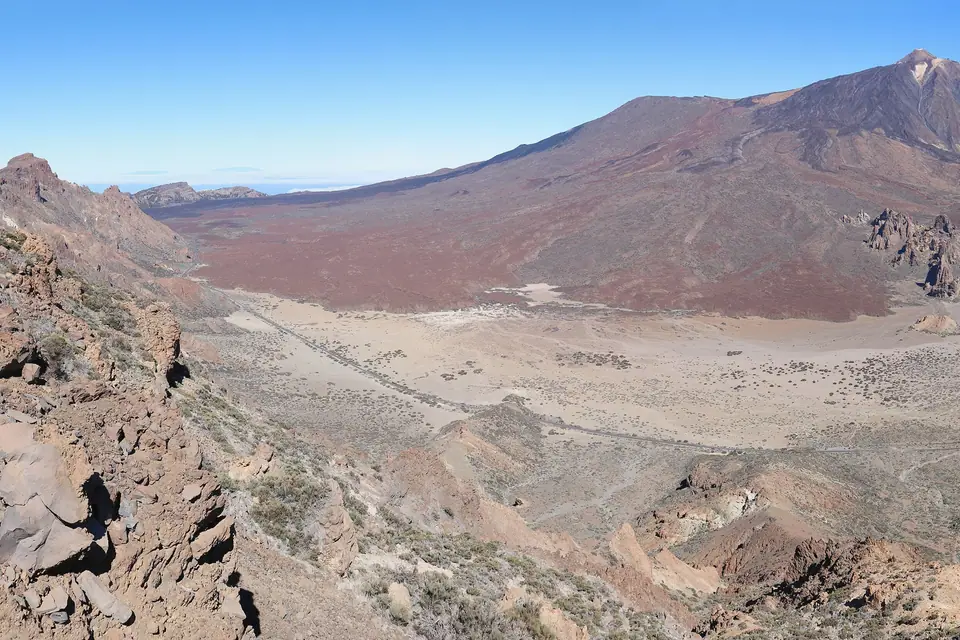
1. Teide. Teide National Park has been on the World Heritage list since 2007 and its stratovolcano, according to UNESCO's entry, is the highest summit in Spain at 3,718 m (the Canary government and MITECO give 3,715 m). Almost the whole park lies above 2,000 m and the park itself treats it as high mountain with an extreme climate. The cable car climbs from the base station at 2,356 m to La Rambleta at 3,555 m; the final stretch to the summit needs a separate permit. Full detail is in our guide to getting up Teide.
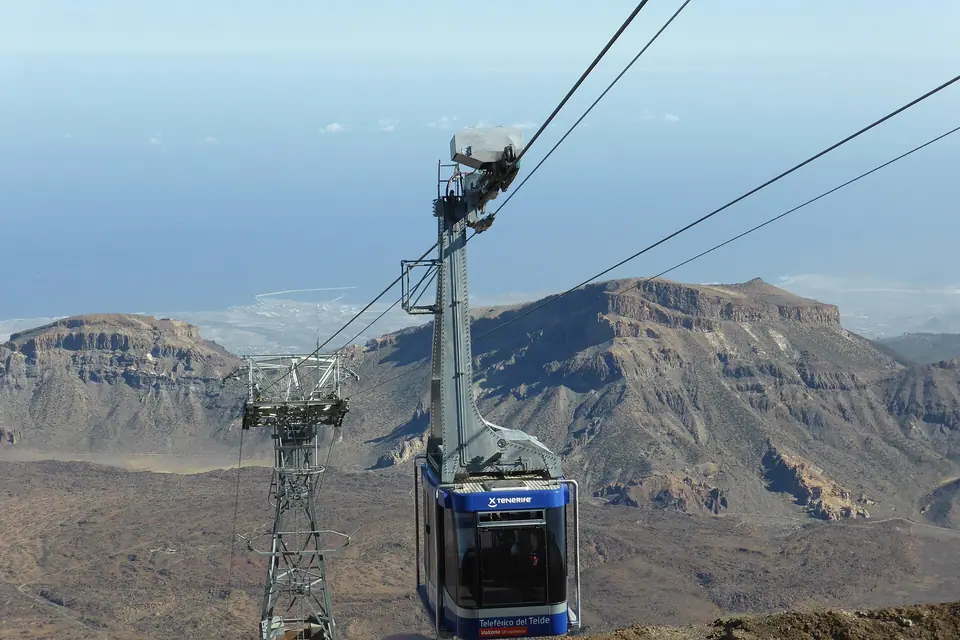
Teleférico del Teide (Volcano Teide)
Teide cable car up to 3,555 metres
Ride the cable car from 2,356 m in the National Park up to La Rambleta at 3,555 m and look over the island from above.
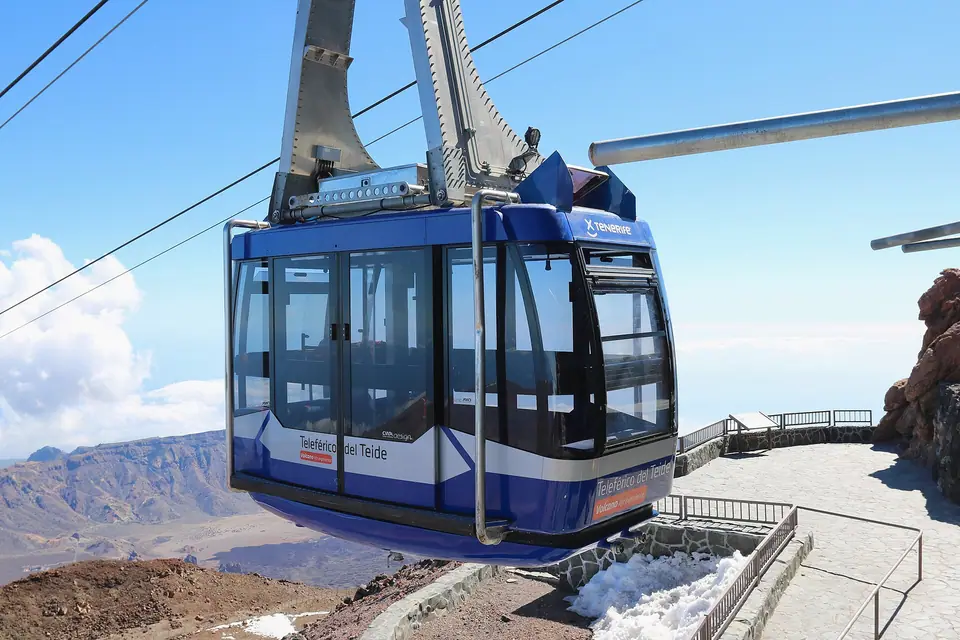
Teleférico del Teide (Volcano Teide)
Sunset cable car, picnic and stargazing at Teide
A tour of about 8 hours with a sunset cable car ride, a picnic with drinks and stargazing through telescopes, with accommodation pick-up.
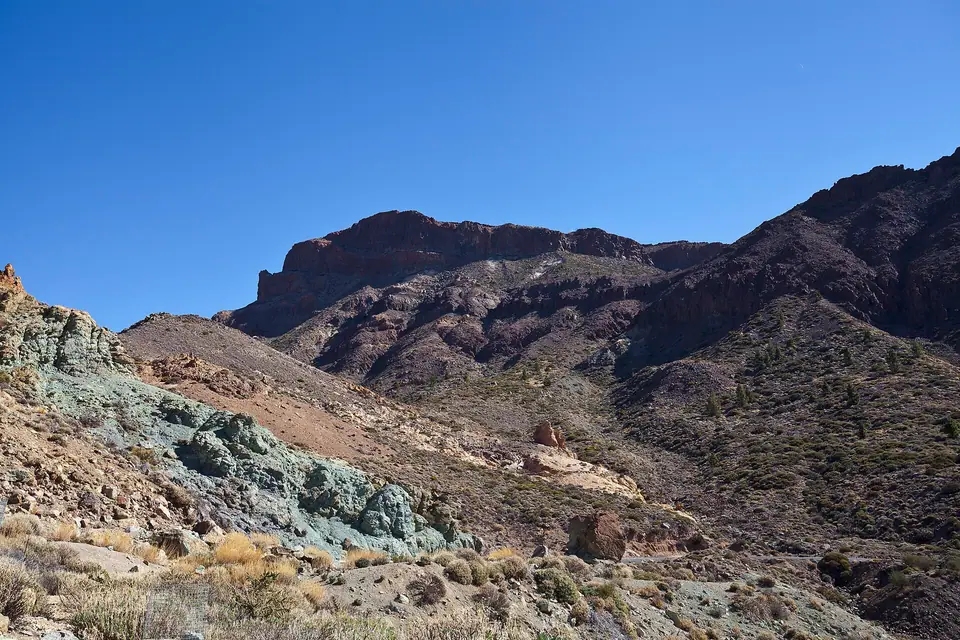
Permit to climb the Teide summit (Telesforo Bravo trail)
The stretch between La Rambleta and the summit is regulated: you book a permit on Tenerife ON, with new slots every Monday at 07:00 and up to 56 days ahead.
Anaga and La Laguna
2. Anaga. The Anaga massif, in the far north-east, has been a Biosphere Reserve since 9 June 2015 according to the Ministry's records, and includes the 1994 Anaga Rural Park, with laurel forest. The Cruz del Carmen visitor centre sits at about 920 m on the TF-12 road, and several trails start from there. There are guided walks of about four hours from the Cruz del Carmen viewpoint and coach excursions that combine Anaga with Santa Cruz and La Laguna.
3. La Laguna. Its historic centre has been a UNESCO World Heritage Site since 1999 and is best done on foot: Plaza del Adelantado, the cathedral and Plaza de la Concepción are close to one another. It is a free stroll with no entry fee, with museums and historic houses a few minutes away. It pairs well with Anaga in one day: Anaga in the morning, La Laguna at lunchtime.
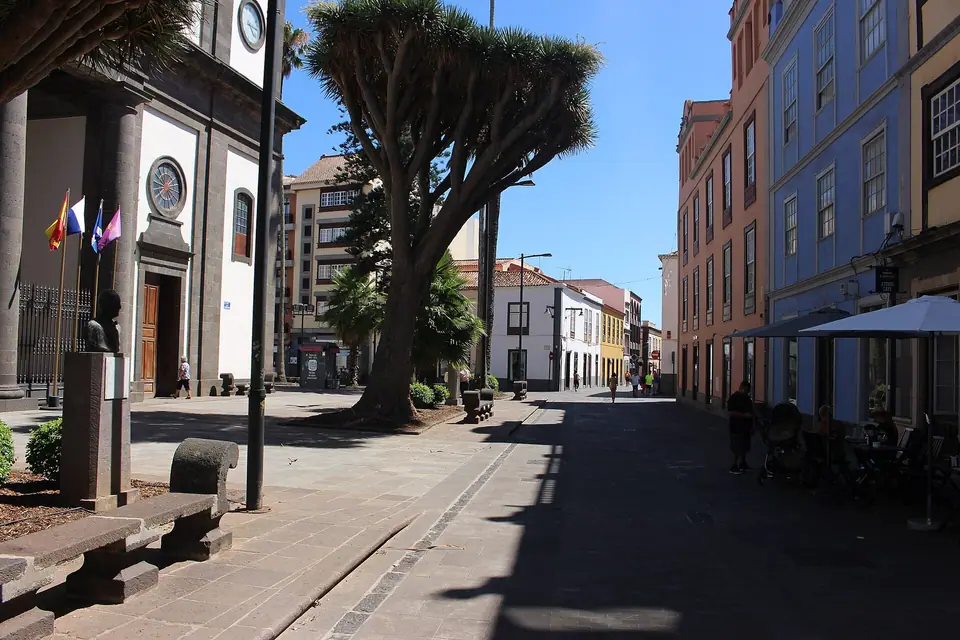
Anaga: guided hike from Cruz del Carmen with food tasting
A guided hike of about 4 hours through Anaga forest starting at the Cruz del Carmen viewpoint, in groups of up to 12 with a local food tasting.
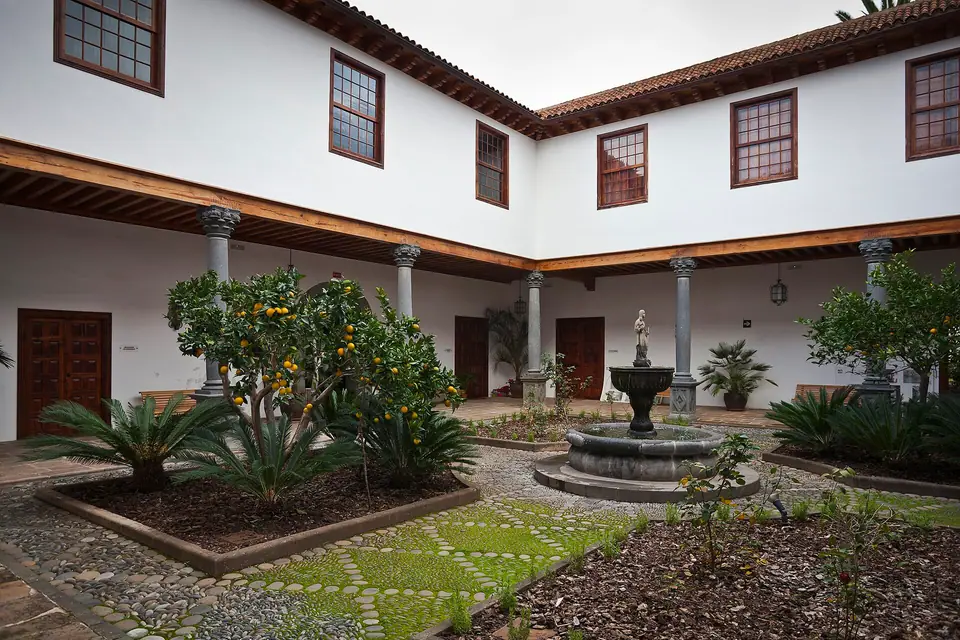
Anaga, La Laguna and Santa Cruz in a day by coach
A day of about 8 hours by coach with a Canary Government-accredited guide through the Anaga massif and both cities, with pick-up in the south or Puerto de la Cruz.
Ayuntamiento de San Cristóbal de La Laguna
Walk through La Laguna's historic centre, a World Heritage Site
Walk around La Laguna's old town, a UNESCO World Heritage Site since 1999, taking in the plaza del Adelantado and the cathedral.
Visit to the Museum of Science and the Cosmos, La Laguna
Astronomy and science museum in La Laguna with a planetarium, open 9:00 to 19:00 Monday to Saturday.
La Orotava valley and Puerto de la Cruz
4. La Orotava. Casa de los Balcones, on Calle San Francisco, is the best-known visit in the old town; sources differ on opening hours and on an entry fee of about 5 to 7 euros, so confirm before you go. In June, for Corpus Christi, the town is covered in carpets of soil and flowers.
5. Puerto de la Cruz. This is the northern resort town. It has Lago Martiánez, a set of seawater pools on the seafront, and the Botanical Garden on Calle Retama, whose hours change between April–September and the rest of the year. Loro Parque, the animal park in the area, opens 09:30 to 17:30 according to Tiqets (Canary time). TITSA lines 381 and 382 run as far as Plaza Reyes Católicos.
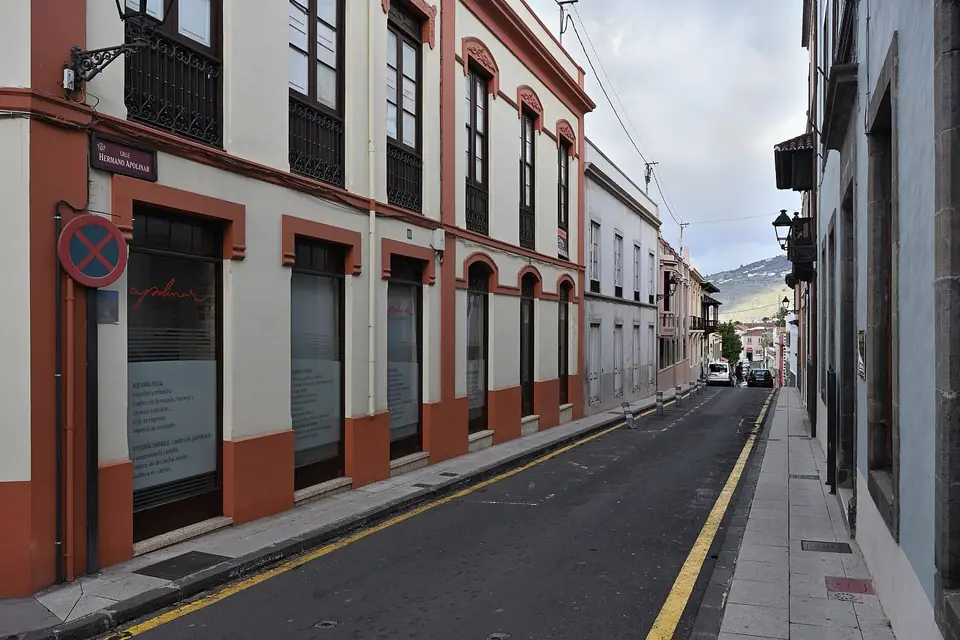
Entry ticket to the Casa de los Balcones, La Orotava
La Orotava manor house with wooden balconies, open 10:00 to 18:00 according to Tiqets, with an optional audio guide.
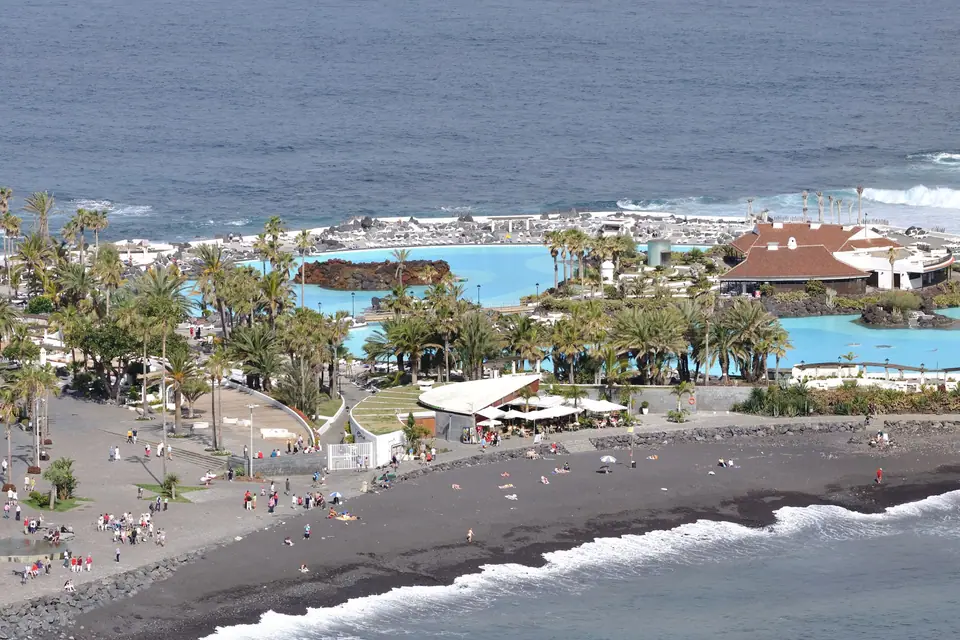
Lago Martiánez swimming pools, Puerto de la Cruz
Seawater pool complex beside the Puerto de la Cruz promenade, with longer hours in summer.
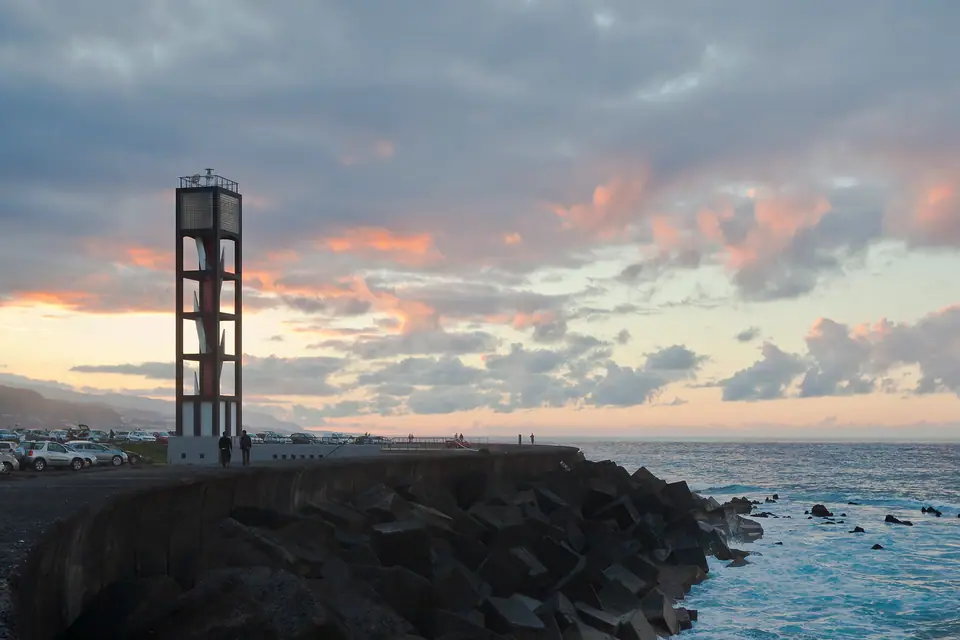
Jardín Botánico de Puerto de la Cruz
Visit to the Botanical Garden of Puerto de la Cruz
Botanical garden on Calle Retama in Puerto de la Cruz, open 9:00 to 18:00 or 19:00 depending on the season.
Entry ticket to Loro Parque, Puerto de la Cruz
A full day at an animal and show park in Puerto de la Cruz, with a standard ticket and options with an added pass.
Isla Baja: Icod and Garachico
6. Icod de los Vinos and the Dragon Tree. The Parque del Drago protects the tree known as the Drago Milenario. According to Civitatis it opens 10:00 to 18:00 from 1 October to 31 March and 9:00 to 20:00 from 1 April to 30 September; general entry is around 5 euros according to Diario de Avisos. Nearby is the Cueva del Viento, one of the largest lava tubes in the world, with more than 17 km of galleries on three levels according to Wikipedia: entry is guided only, booked on the official site, and children under 5 are not allowed.
7. Garachico. On 5 May 1706 the Trevejo volcano erupted about 8 km to the south; the lava buried the harbour, then the island's most important for trade, and formed the El Caletón natural pools. The old town has been a Site of Cultural Interest since 1994 and is walked from Plaza de la Libertad; according to one guide you only pay at the Castillo de San Miguel, about 2 euros. There is a mobility plan, so leave the car on the outskirts.
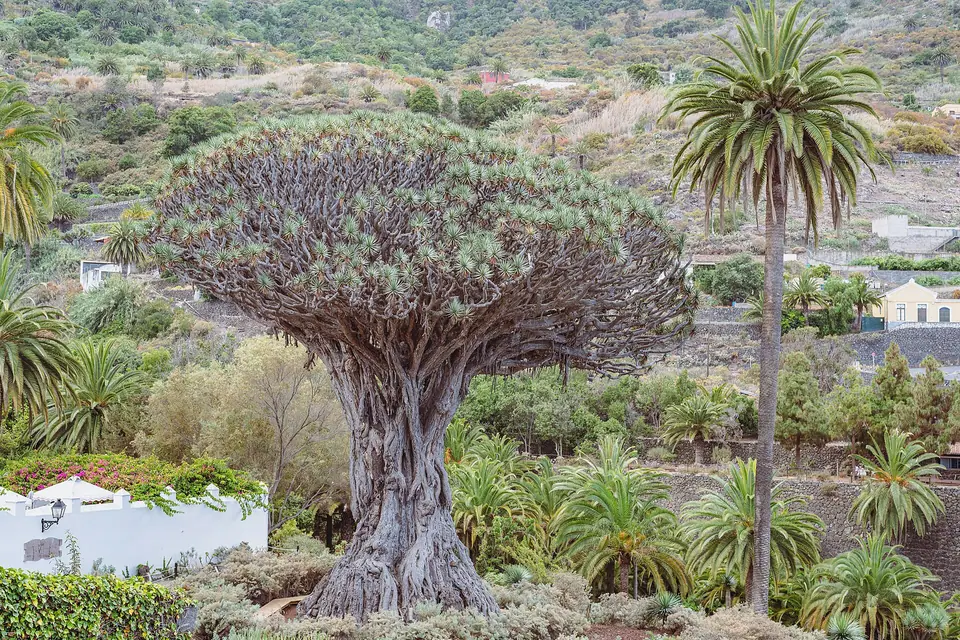
Ayuntamiento de Icod de los Vinos (Parque del Drago)
Entry ticket to the Parque del Drago (Thousand-Year Dragon Tree), Icod de los Vinos
Park with Icod de los Vinos's Thousand-Year Dragon Tree, open every day, with a EUR 5 ticket.
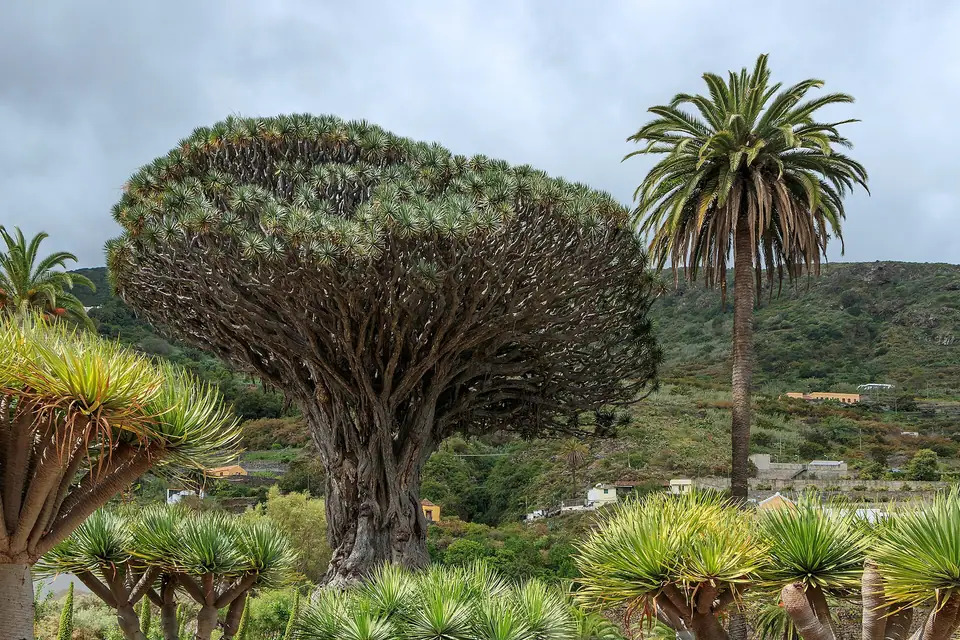
Cueva del Viento: guided volcanic tube visit
A guided visit with a helmet to the volcanic tube at Icod de los Vinos, booking compulsory on the official site and starting at the Los Piquetes visitor centre.
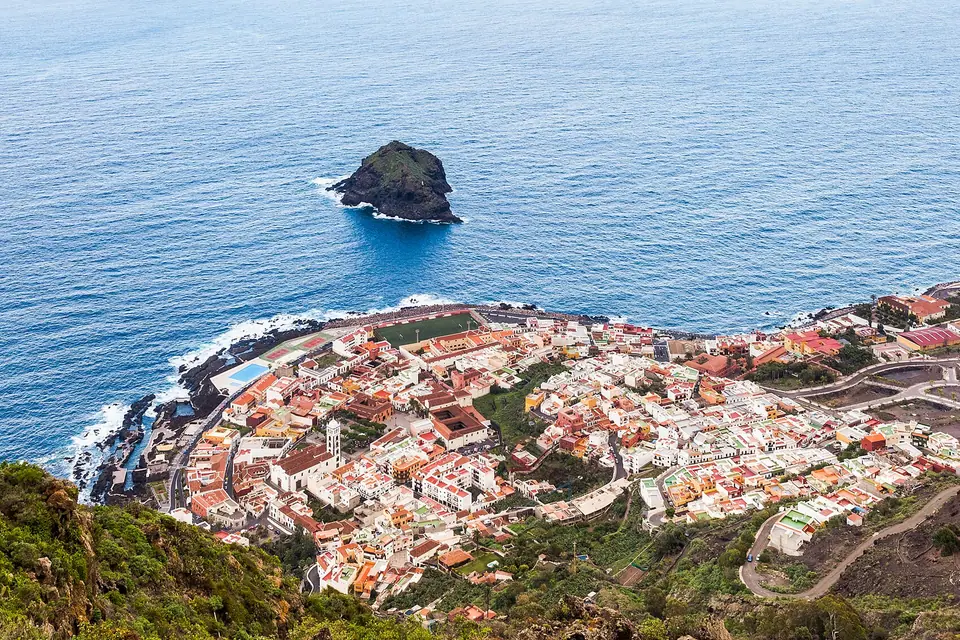
Garachico's historic centre and Castillo de San Miguel
Free stroll through Garachico's historic centre, a Site of Cultural Interest, with the 16th-century castle and the El Caletón pools.
West: Masca and Los Gigantes
8. Masca. The Masca gorge is walked with advance booking on the official trail site (caminobarrancodemasca.com) and a compulsory boat transfer. The front page gives no prices, quotas or times and the rules have changed several times since 2024, so check the conditions there before planning. It is a descent of about three hours each way. There is also a guided option with a helmet and a boat back, of about six hours, for ages 8 and over.
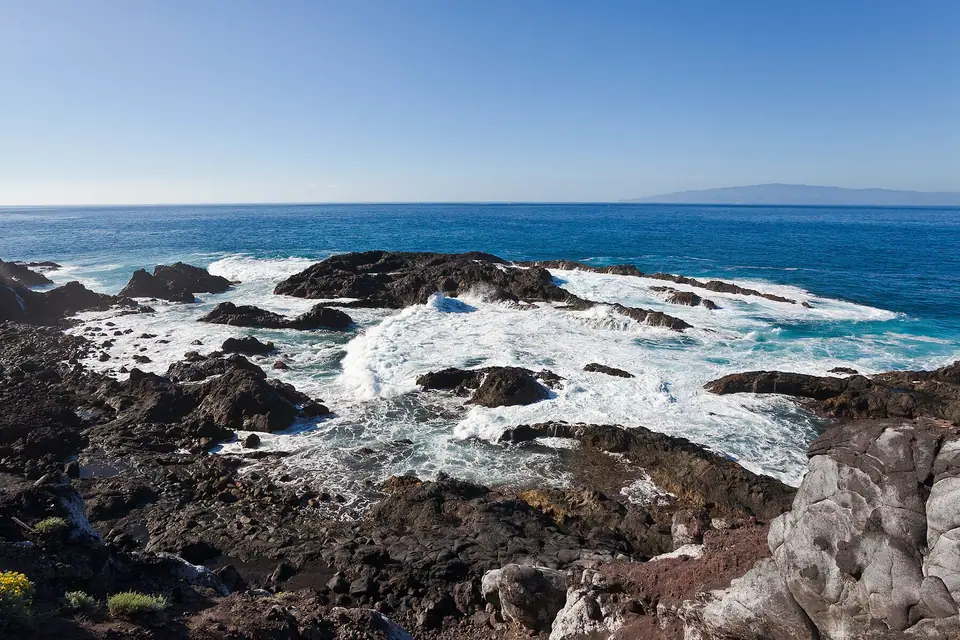
9. Los Gigantes. This is the western port where the whale-watching boats and cruises along the foot of the cliffs leave from, in the Teno-Rasca marine strip. For marine life, see our whale and dolphin guide.
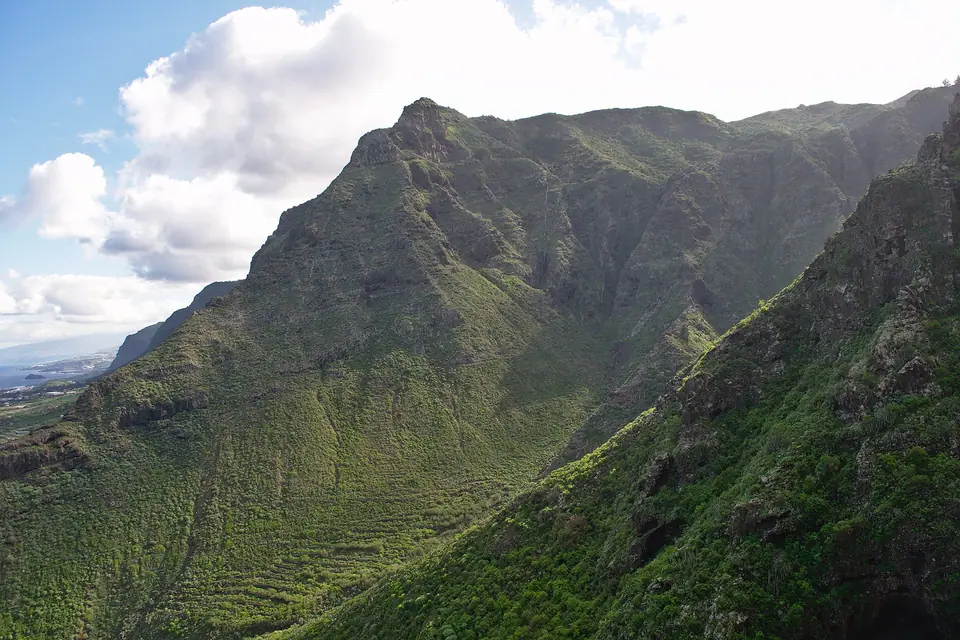
Masca Gorge on your own: regulated access and boat
The Masca trail needs advance booking on the official site and a compulsory boat transfer; the rules have changed several times since 2024.
Masca Gorge: guided descent with boat back
A guided descent of about 5 km between volcanic walls to a cove, with a boat back past the Los Gigantes cliffs and transport included.
Masca and Teno small-group tour with tasting
A day of about 7 hours through the Teno massif and Masca hamlet, in groups of up to 8, with transport from Puerto de la Cruz and a pastry and coffee tasting.
South: beaches, parks and Barranco del Infierno
10. Southern beaches. Between Los Cristianos and Playa de las Américas lies Las Vistas beach, with calm water and lifeguards according to the sources we looked at; Playa del Duque, in Costa Adeje, has more than 300 m of grey-golden sand. Blue Flags change every year, so we do not say which beaches hold one now: check the Blue Flag programme.
11. Barranco del Infierno. A trail of low to medium difficulty, with about 250 m of climbing, a compulsory helmet and advance booking. The official site gives entry 8:00 to 10:30 in summer and 8:30 to 11:30 in winter; children under 5 are not admitted and it may show as closed on some days.
12. Parks. In the south is Siam Park, the water park in Adeje, which according to Tiqets opens every day from 10:00 to 17:00. It suits families.

Barranco del Infierno trail with booking
A route of about 6.5 km and three hours round trip through the Adeje gorge, with compulsory online booking, a helmet and morning entry windows.
Entry ticket to Siam Park, Costa Adeje
A day at a Costa Adeje water park, with a standard or all-inclusive ticket, open daily from 10:00 to 17:00.
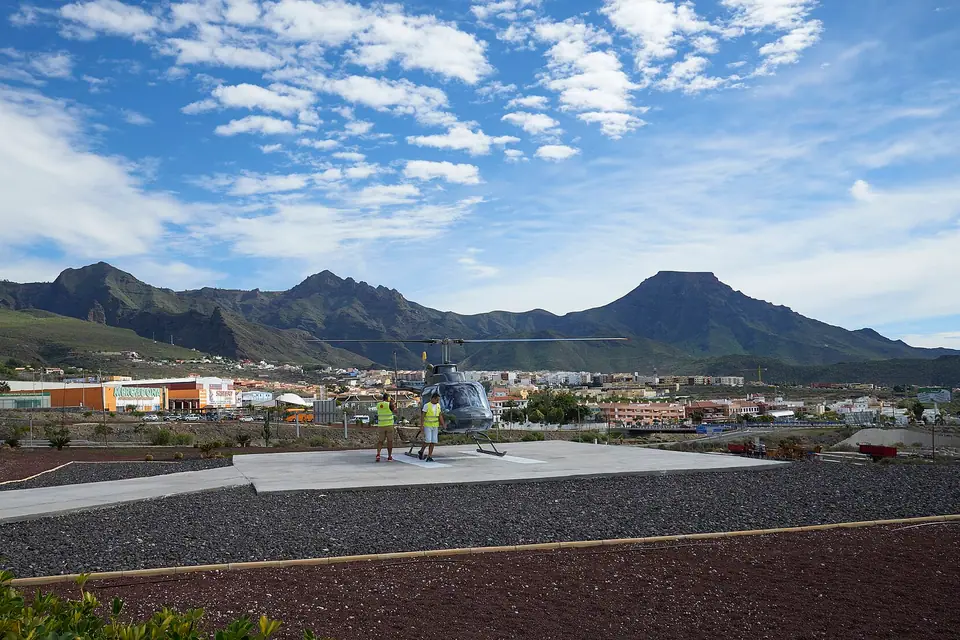
Tandem paragliding over Adeje
A tandem flight with a pilot from Taucho or Ifonche in four styles; the flight lasts 15 to 30 minutes and the whole activity about 90.
Official sources
Written by us from these sources, consulted up to 25 November 2026. Rules and traffic restrictions change, so check them before travelling.
Frequently asked questions
How many days do you need to see Tenerife?
There is no official figure. If you group by area, Teide, Anaga with La Laguna, the north (La Orotava, Icod and Garachico) and the west (Masca and Los Gigantes) make four days of plans. The south and the beaches combine with any of them.
Which places in Tenerife are World Heritage Sites?
The historic centre of La Laguna, since 1999, and Teide National Park, since 2007. Anaga is a Biosphere Reserve, a different designation.
Do you need a car in Tenerife?
Many accesses (Anaga, Masca, Garachico) are easier by car, but there are excursions with pick-up and TITSA buses to Puerto de la Cruz or Los Cristianos. For Teide, see our guide: the car reaches the cable car base on the TF-21.
Can you go up Teide without a permit?
Up to La Rambleta by cable car, yes. For the stretch to the summit (Telesforo Bravo trail) you need a National Park permit requested on Tenerife ON, separate from the ticket.
Can you do the Masca gorge on your own?
Yes, but with advance booking on the official site and a compulsory boat transfer. Check prices, quotas and times there, as they have changed several times.
What to see in Tenerife when it rains?
La Laguna has museums and historic houses a few minutes from the old town; in Puerto de la Cruz, La Orotava's Casa de los Balcones and winery visits also work. The Parque del Drago and the seawater pools are fair-weather plans.
Atlas de Tenerife editorial team · reviewed on 25 November 2026
More guides
- Whale and dolphin watching in Tenerife: what you see, what the law says and how to spot an authorised boat
- Ferry from Los Cristianos to San Sebastián de La Gomera: about 50 minutes, two operators and a day trip
- How to get up Teide: the cable car to 3,555 m, the summit permit and what wind and snow do
- Tenerife in winter (November to March): temperatures, rain, snow on Teide, calima and festivals
- Tenerife on a rainy day
- Tenerife with children
- Free and low-cost plans on Tenerife
- Effortless things to do on Tenerife